
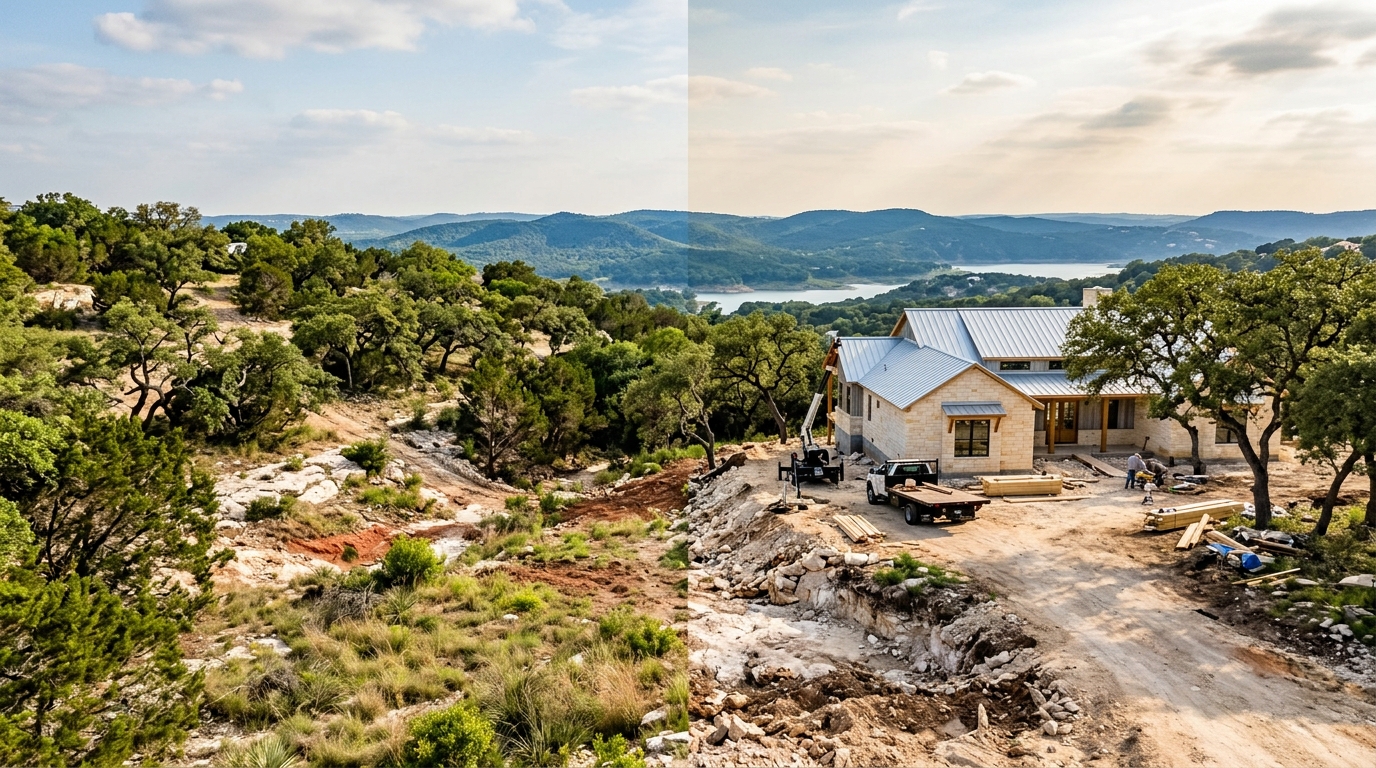
Look, if you’re standing at a BBQ in Spring Branch or Bulverde right now and someone tells you building a custom home is 'easy,' they’re either lying to you or they’ve never actually tried to sink a foundation into a solid sheet of Edwards Plateau limestone. It’s not easy. It’s a grind. But it's worth it if you don't hire a clown to run the show.
I’ve been in the dirt for over 20 years. I’ve personally seen over 400 houses go from a raw lot to a finished product. And if there’s one thing I’ve learned—besides the fact that Texas heat will melt the soles off your boots in August—it’s that your relationship with your builder is more important than the floor plan you picked out. You’re basically getting married for 12 to 18 months. You better like the person on the other side of that contract.
How much does it cost to build a custom home in Texas in 2026?
As of April 2026, you should expect to pay between $220 and $320 per square foot for a high-quality custom build in the Texas Hill Country. If someone quotes you $150, run. Seriously. Throw your beer in their face and leave. According to the Texas Real Estate Research Center and recent local permit data in Comal County, material costs have leveled off a bit from the craziness of a few years ago, but labor is still at a premium. You aren't just paying for wood and nails; you're paying for the specialized crews who know how to handle our specific terrain.
And don’t forget the 'invisible' costs. In places like Canyon Lake or Bulverde, you’re likely dealing with a lot that needs a major septic system (OSSF). That’s easily $15k to $25k right there. Then there’s the rock. If your builder doesn't mention a 'rock clause' in the contract, they’re rookies. Around here, you don't just dig—you hammer. I’ve seen site prep costs double because we hit a ledge of limestone that required a massive hydraulic ram for three days straight. It's just part of the deal when you want those views.
What questions should I ask a contractor before hiring them?
First off, don't ask for a reference list. They’re only gonna give you the three people who actually liked them. Ask them which local trades they use. A good builder in the Hill Country has guys who have worked for them for a decade. If they’re just pulling whoever is cheapest off the street in San Antonio, your house is gonna show it.
You need to ask specifically about foundation design. We have two enemies here: solid rock and expansive clay. Sometimes you have both on the same lot. If they aren't talking about engineered slabs or piers based on a real geo-tech report, they're cutting corners. I don't care how many 5-star reviews they have—if the slab cracks because they didn't account for the soil movement in New Braunfels, those reviews won't fix your tile.
Another thing—ask about their 'takeoff' process. Most builders guess. I don't guess. That’s why I started Parker Design and Consulting. We use what I call 'The Parker Method' to do actual framing takeoffs and construction consulting. It’s about being systematic. If your builder can't show you a line-item budget that makes sense, they’re gonna be asking you for more money six months from now when they realize they forgot to price the cedar headers for your porch.
What are the biggest red flags in a Texas construction contract?
Look for 'Allowances' that are too low. This is the oldest trick in the book. They’ll put in a $5,000 allowance for appliances just to make the total price look lower. You and I both know you can’t buy a decent kitchen suite for five grand in 2026. You’ll end up $20k over budget before the drywall is even up.
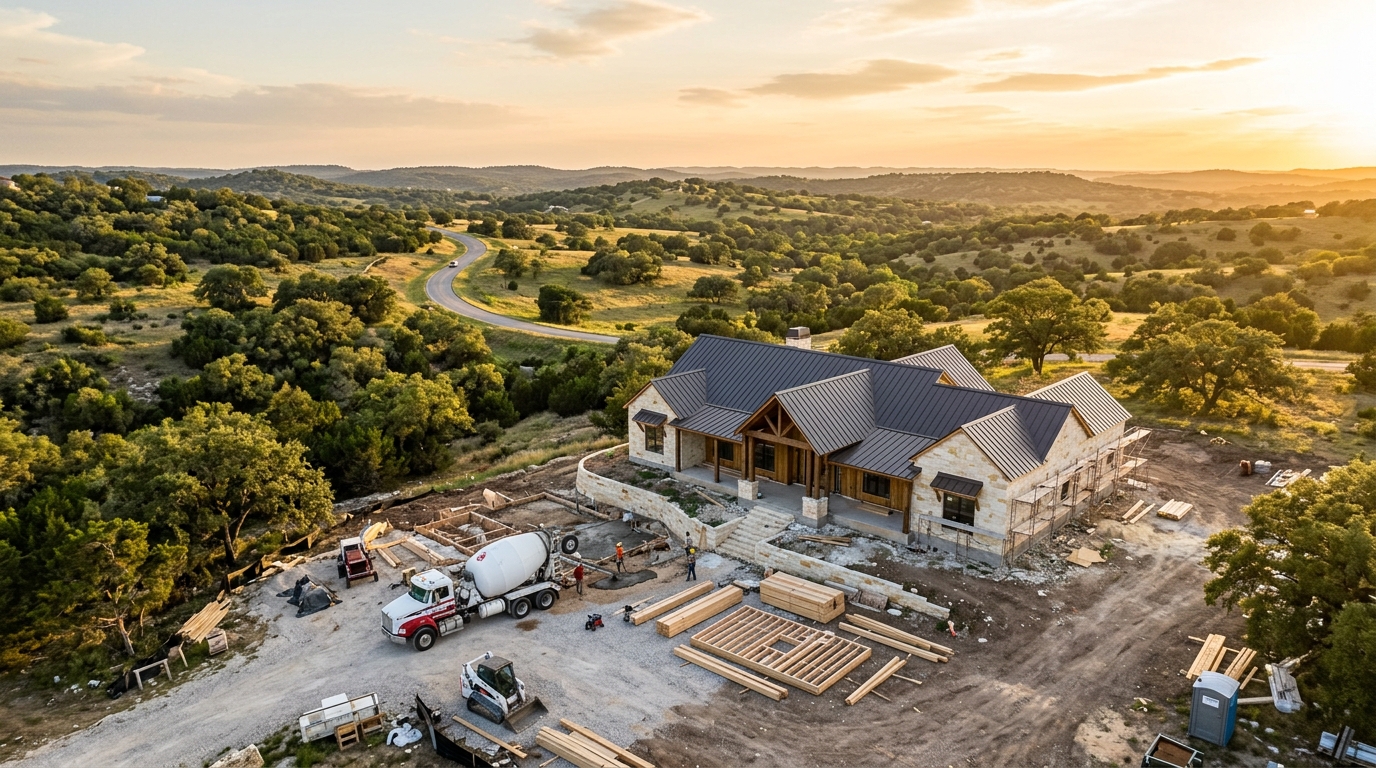
Also—and this drives me nuts—check the timeline. A real custom home takes time. If they promise you a six-month build on a 4,000 square foot house on a slope, they’re blowing smoke. Even with my consulting projects, we aim for that six-to-eight month window for self-builds, but that’s with a very tight system in place. A full-service custom build usually takes longer because you’re waiting on specialized finishes.
Anyway—I’m getting on a soapbox. The point is, you need an advocate. Whether you’re looking at production builders like Ashton Woods in Singing Hills or you're trying to do a one-off custom on five acres in Blanco, you need someone who knows what’s behind the walls. If you’re feeling overwhelmed, that’s actually a good sign. It means you’re paying attention. If you want to chat about your plans or need a second set of eyes on a site plan, hit me up at Parker Design and Consulting. I’d rather help you fix the plan now than hear about your foundation issues at a BBQ three years from now.
Custom Home FAQ
How long does it take to build a custom home in the Hill Country?
As of 2026, expect 12 to 15 months from the day you break ground. Permitting in Comal and Hays counties is relatively fast, but specialized labor for stone work and custom cabinetry is still the bottleneck.
Can I act as my own general contractor in Texas?
Yes, you can. It's called a 'self-build.' However, unless you have a systematic approach like the one we use at Parker Design & Consulting, you’ll likely spend more in mistakes than you save in builder fees. You need a solid set of takeoffs and a vetted sub-contractor list.
What is a rock clause in a construction contract?
It's a provision that states the homeowner is responsible for additional costs if the builder hits hard rock (limestone) that requires specialized machinery like a rock saw or hammer. In the Hill Country, this is almost a guarantee, not an exception.
Data sourced from local Comal County permit records and the Texas Real Estate Research Center. Always verify current numbers with a local agent.
Frequently Asked Questions
What is the average cost per square foot for a custom home in 2026?
Typically between $220 and $320 per square foot in the Hill Country, depending on the complexity of the site and the level of finishes.
Do I need a soil test before building in the Hill Country?
Yes. The region has high concentrations of expansive clay and solid limestone. An engineered foundation based on a geo-tech report is mandatory to prevent future structural failure.
Is it cheaper to build or buy an existing home right now?
In early 2026, building often carries a premium of 15-20% over existing homes, but it allows for modern energy efficiencies and specific site placement that older homes lack.
Leave a Comment